JPNLessonsOsaka Blog

Difference between particle “to” and “ya”

today14/8月/21

loyalty grammar

「と」も「や」も英語えいごの「and」みたいに使うつかことができます。名詞めいしと名詞をつなぐときに使います。

①テーブルのうえにりんごみかんがあります。

②テーブルの上にりんごみかんがあります。


Both と (to) and や ( ya ) connect nouns the way ” and ” in English does. Using と is for a list of all items, while や is for a sample of representative items. ” There are noun1 ‘ ya ‘ noun2 ” means “there are noun1, noun2, and other things.”


③テーブルの上にりんごやみかんなどがあります。


Sometimes you can add など ( nado ) after the last noun. など ( nado ) means etc., so you can emphasize that there are more items.


Reading practice for upper beginner level

today17/8月/20

loyalty JLPT

Many students ask me if there are any books they can read when they complete the beginner level.

Some students try to read Japanese books for children because they have more hiragana and furigana, but sometimes the vocabulary and expressions in these books are much too difficult, or their stories are not interesting enough for adult students.

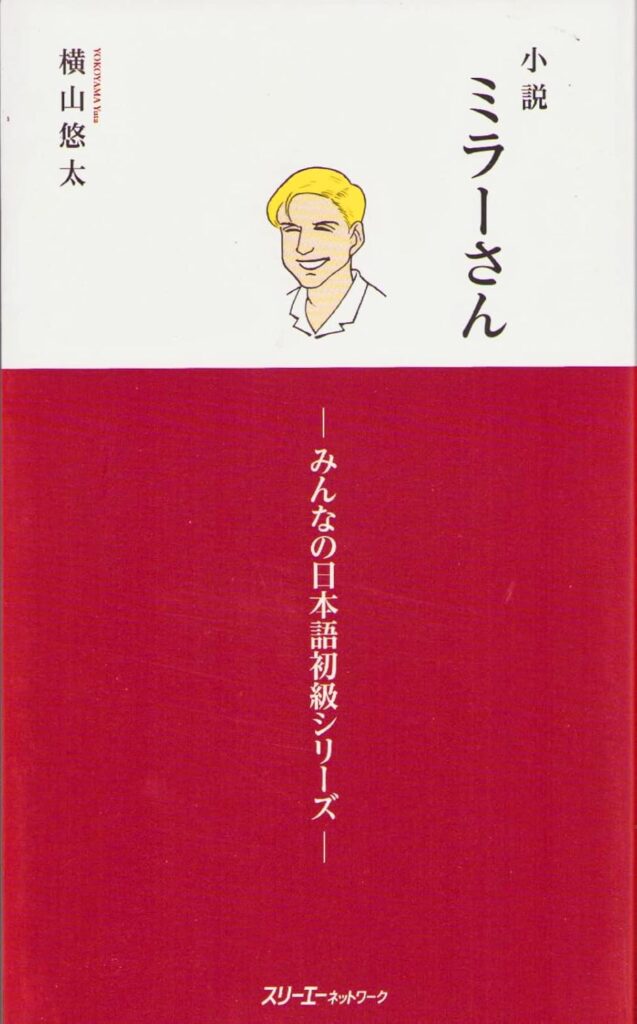
For some students, I use 「小説ミラーさん」for reading practice.

I recommend this novel because it is about Miller’s daily life in Japan, using basic vocabulary and grammar points for those who have finished elementary study. This book is based on the series of「みんなの日本語 Minna no Nihongo」textbooks , but even if you didn’t enjoy using the textbook Minna no Nihongo or have never used it, you can still enjoy this as an easy novel. It includes important beginner grammar points at the JLPT N4 level.

I cannot deny that there are some stereotypical terms related to “being in Japan as a foreigner” in this book, but it is still good for reading practice and creates a certain sense of accomplishment at having read a whole novel in Japanese.


小説ミラーさん
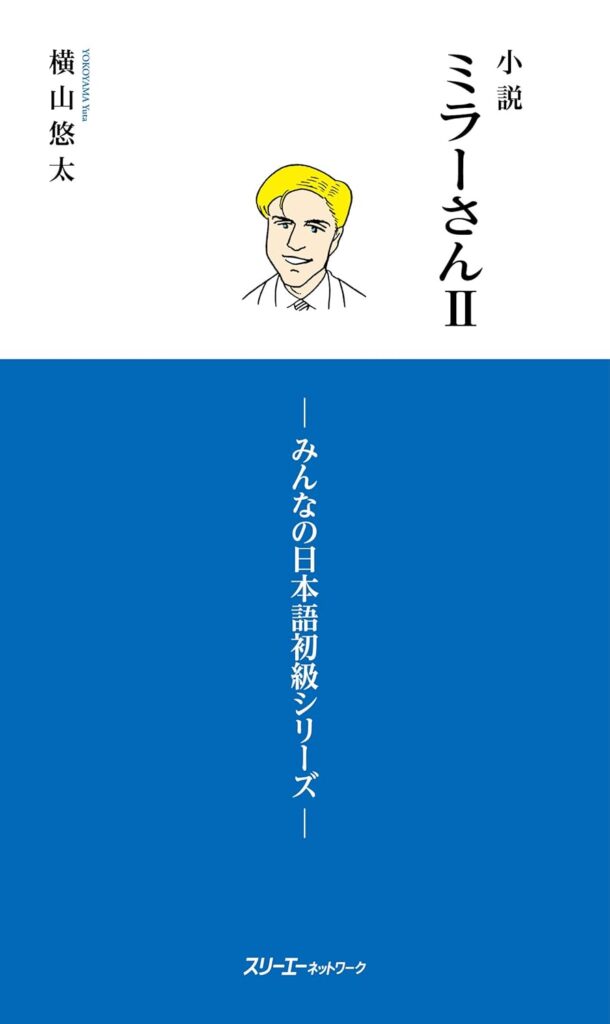
小説ミラーさん2
小説ミラーさん2

Pluralization

today01/8月/20

loyalty grammar

The Japanese language is not so strict about pluralization as English is.

Normally the word ねこ which means cat , can be a cat, some cats or cats in general. There are some specific words and suffixes to pluralize nouns, but when you are a beginner please don’t worry too much about whether they are singular or plural.


ねこが好きです。  I like cats ( in general )


あそこにねこがいます。can be “there is a cat over there” or “there are some cats over there”.


友だちと学校へ行きます。 can be ” I go to school with my friend ” or ” I go to school with my friends.”


Sentence ending particle “yo”

today23/6月/20

loyalty grammar

“Yo” indicates mild emphasis when the speaker is very sure of what she or he is saying.


このクッキーとてもおいしいですよ。

This cookie is delicious. ( so I recommend this cookie. )


It is often used to convey informarion which the listener doesn’t know.

パーティは何時なんじからですか。→ 3時からですよ。

What time does the party start? → It starts at 3:00. 


You can use “yo” to get someone’s attention.

ばんごはんですよ!  Dinner’s ready!!


“Yo” can also be used when the speaker is making a judgment, so be careful not to put too much stress on it, and do not overuse it; otherwise you might sound aggressive.


Sentence ending particle “ne”

today03/6月/20

loyalty grammar

” Ne ” indicates agreement, confirmation or sympathy.


暑いあつです。→ そうです 。 It is hot, isn’t it? → Yes, it is.( I think so, too )


レッスンは4月からです 。The lesson will start from April, am I right?


It can also soften a request.


また連絡れんらくしてください。また連絡して。 Please contact me again. (please keep in touch )


Sometimes the speaker will use ” ne ” in a monologue: in this case it indicates the speaker’s subjective reflection, trying to reach back into memories or thought.


日本にほんものなにがいちばんきですか。Among Japanese food, what do you like the best?

そうです…(Let me see…) おこのきが大好だいすきです。 I love Okonomiyaki.


問題N4レベル

today15/3月/13

loyalty grammar


(  )に(はい)言葉(ことば)はどれですか。


(さつ)しか()っていません。(   )がありますか。


)1   大きいお金

2   細かいお金

3 細いお金

4   少ないお金


一緒に日本語を勉強しませんか。


Let’s study Japanese in Osaka,

about my lesson  コチラ